
 For some students, the transition from high school to college is jarring.
Suddenly, an A depends more on analysis and writing than memorization and reciting facts. Suddenly, there are weeks, even months, in between due dates. Suddenly, the responsibility is all yours.
Private high schools make this transition to college feel less like a cliff dive and more like the final step on a familiar, well-worn staircase.
How do they do it?
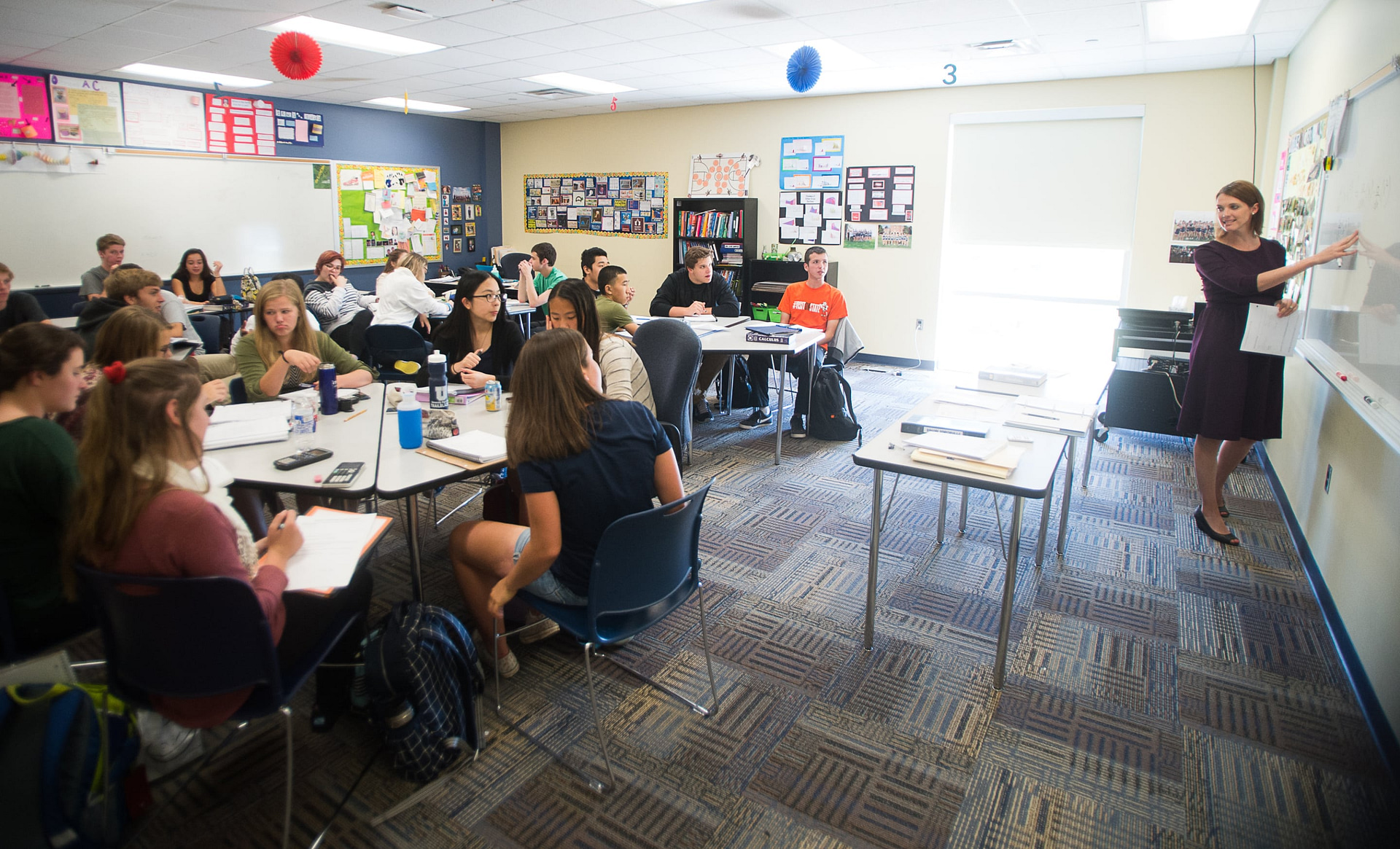 Private high schools make you write – and write some more. Freshman-level English classes focus on fundamentals like syntax, essay construction, and the thesis. Students workshop their essays with peers, and teachers meet with students one-on-one to review drafts. Social studies courses push students further in their writing to analyze texts, find connections between history and other disciplines, and navigate conflicting perspectives. Students savor the pure joy of exploring ideas through writing.
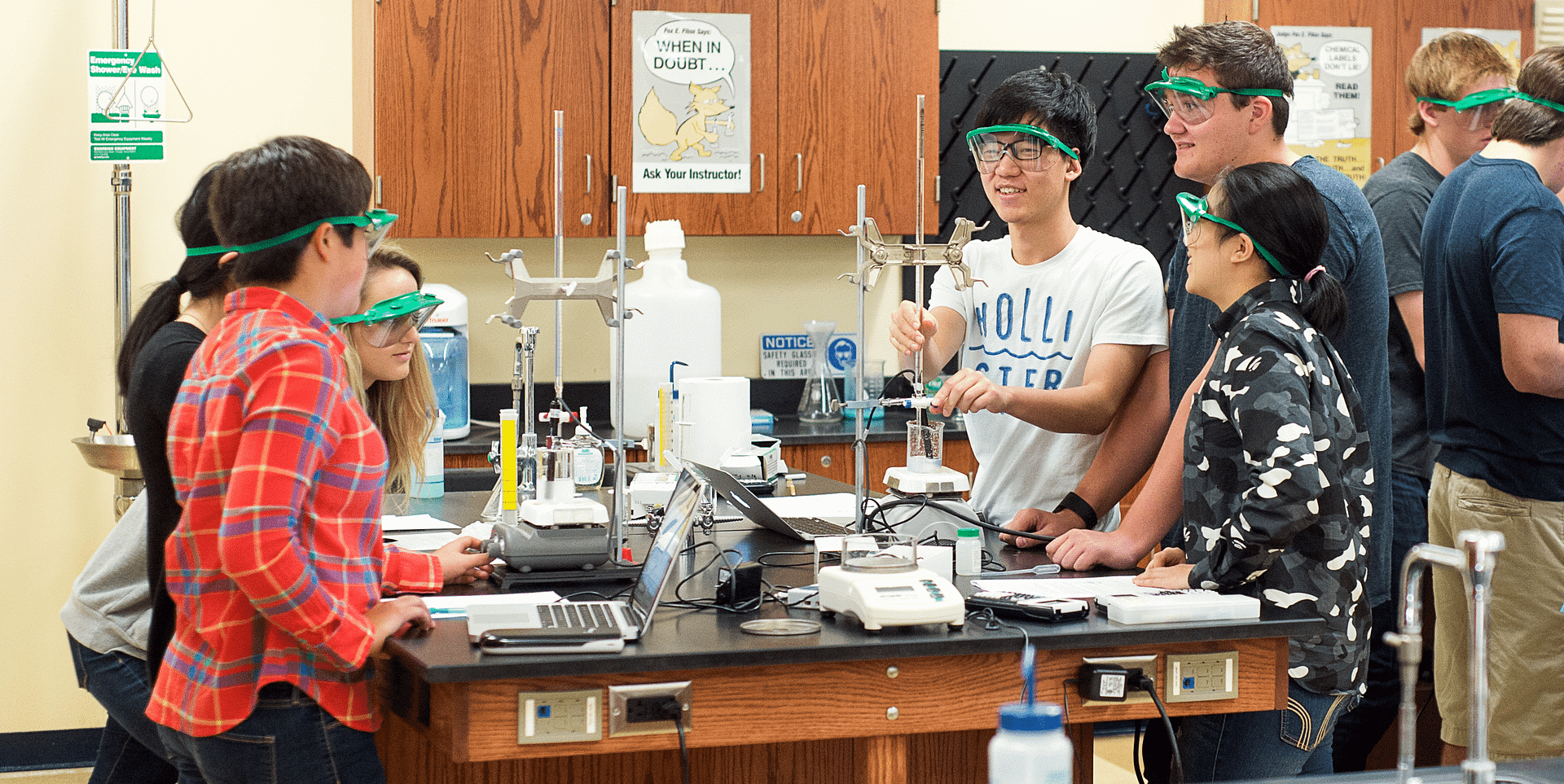
Private high schools teach you to think critically and experiment fearlessly. Math classes teach functions and proofs, but they also push students to use logic to solve complex problems. Students roll up their sleeves and dig in to science classes – actively doing lab work with their classmates, not just watching the teacher demonstrate. When students make mistakes, teachers are there to help them process, coach them through corrections, and help them achieve greater understanding. Students discover that the process used to solve a problem is just as important as the answer.
Private high schools are thoughtful and intentional about training students for the academic demands of college. Research shows that independent high schools in particular outperform public high schools in training students to ask questions in class, integrate skills and knowledge from different sources, support opinions with logical arguments, and take risks – all vital aspects of college-level thinking.*
The University High School Advantage
 University High School has a top-notch college preparatory academic program, and 100% of our graduates are admitted to good-fit colleges and prepared to succeed in them. But at University, college preparation isn’t limited to the academic. Here are a few other unique ways University will prepare you to succeed in college:
- At University High School, there’s no bell signaling the beginning or end of a class. We have a schedule, and you will be trusted to get to class on time, just as you would in college. And here’s the thing: it works. With very few exceptions, our students learn to manage their time even without a bell telling them to.
- At University High School, you will learn to talk to your teachers. This happens in many ways, but the most significant is mentoring. At University, you will sit down and talk with your mentor every other week for the four years of high school. By the time you get to college, you’ll be confident going to office hours, asking questions of the professors, and building important relationships that lead to jobs, internships, and more.

*Citation:
National Association of Independent Schools. “Independent School Graduates as College Freshmen: 2015 Data from the Higher Education Research Institute.” (2016).